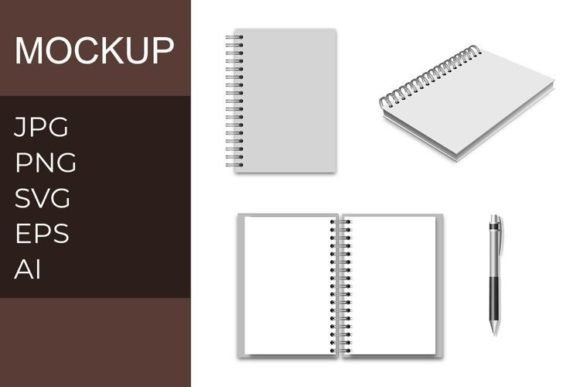
Note Mockup: Graphics for Notebooks Amp
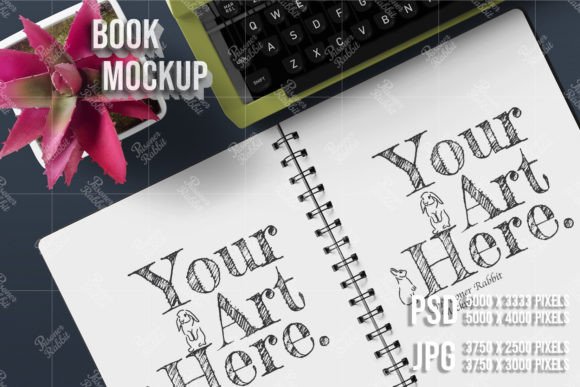
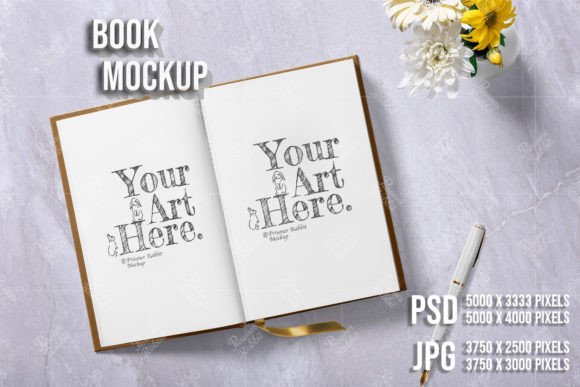
The first impression of the Note Mockup is clean, professional, and highly versatile. A white notebook set with a pen, isolated on a white background, offers a modern and minimalist aesthetic that works well across a variety of content types. Whether you're creating blog graphics, editorial design, or social media visuals, this graphic design asset delivers a polished look that can elevate your content marketing efforts.
Editorial Mood and Visual Impact
The Note Mockup creates a calm and focused editorial mood. Its simple composition and high-resolution rendering make it ideal for content niches that emphasize organization, creativity, or productivity. The 3D rendering adds depth without overwhelming the viewer, making it suitable for lifestyle blogs, educational resources, and digital guides. This design asset feels both professional and approachable, striking a balance between sophistication and accessibility.
Its clean style supports content that needs to feel trustworthy and well-structured. Whether used in a blog post, a downloadable printable, or a Pinterest pin, the Note Mockup reinforces a sense of clarity and intentionality in your visual communication.
Real Publishing Use Cases
This graphic design asset is incredibly useful for a wide range of publishing tasks. As a blog graphics tool, it can serve as a featured image, article header, or website header. For Pinterest, it makes an eye-catching pin that draws attention and encourages engagement. In editorial layouts, it can act as a subtle accent or a focal point, depending on how it's placed.
For digital products like worksheets, e-books, or lead magnets, the Note Mockup provides a strong visual foundation. It can also be used in Canva templates, helping designers quickly create professional-looking social media graphics, newsletter banners, or affiliate marketing visuals. Its high-resolution JPG and transparent PNG files ensure flexibility for different use cases and backgrounds.
Supporting Content Performance
The Note Mockup enhances content performance by strengthening the visual hierarchy of your pages. Its clear composition helps guide the reader’s eye, making it easier for them to focus on key messages and calls to action. This is especially important for content marketing campaigns where click-through rates and engagement matter.
Using this design asset consistently across your website, newsletters, and social media posts can improve brand identity and recognition. It also contributes to a more professional-looking content page, which can increase reader trust and encourage longer visits.
Best Use Scenarios
The Note Mockup shines in hero images, article thumbnails, and Pinterest pins where a strong visual first impression is crucial. It works well as a blog graphic for posts about productivity, journaling, or creative planning. In editorial accents, it can add a touch of elegance without distracting from the main content.
It’s also great for content upgrades, downloadable resources, and category visuals. When used in newsletter headers or social media previews, it helps maintain a cohesive and visually appealing brand presence across platforms.
Use with Caution
While the Note Mockup is versatile, it may not be the best choice for every scenario. On small mobile thumbnails, its details might get lost, so consider scaling it down or using a simpler version. In text-heavy blog images, it could compete with the copy, so use it sparingly.
For serious professional niches or corporate content, the minimalist style might feel too casual. Similarly, in busy layouts or low-contrast backgrounds, the white notebook might not stand out as intended. Always test it in real contexts before finalizing its use.
Publisher Notes and Practical Tips
Before integrating the Note Mockup into your workflow, test it on desktop and mobile screens to ensure it looks good at all sizes. Preview it inside a real blog layout to see how it interacts with other elements. Check how it looks with headline text, and verify contrast and readability against different background colors.
Try it in black and white to assess its versatility. Place it beside various font styles—serif, sans serif, script, handwritten, and display—to see how it complements different typographic choices. Review the file size for web performance, and compress images properly to maintain fast load times.
Finally, confirm the commercial license before using it on monetized websites, affiliate pages, or paid content products. Make sure it aligns with your branding and content strategy, and always keep the end user experience in mind when selecting design assets.
Conclusion
The Note Mockup is a valuable addition to any content creator’s toolkit. Its clean, modern design supports a wide range of publishing needs, from blog graphics to digital guides and social media visuals. By focusing on visual communication and editorial quality, it helps build a stronger brand identity and improves the overall presentation of your content.