Mockup Clothes: Graphics for Creative Design
As a designer who regularly works on branding, marketing visuals, and digital assets for small businesses, I often look for design elements that can elevate a project without overwhelming it. Mockup Clothes caught my attention as a potential asset for client work, and after testing it in various scenarios, I found it to be a versatile addition to a design toolkit.
The First Impression: A Visual Mood for Creative Projects
Mockup Clothes immediately presents a warm, inviting aesthetic. The visual elements feel handcrafted yet polished, making it ideal for brands that want to convey a sense of authenticity and personality. It leans into a modern design style with subtle textures and organic shapes, which could work well for handmade businesses, seasonal campaigns, or boutique product lines.
The color palette is soft but impactful, allowing it to blend seamlessly into a variety of brand identities. Whether used as a background element or a standalone graphic, it maintains a cohesive visual mood that feels intentional and professional.
Real-World Applications: From Brand Identity to Social Media Graphics
In real design situations, Mockup Clothes proves to be adaptable. For logo design, it can serve as a backdrop that adds depth without competing with the main element. In brand identity projects, it can be used as a decorative accent or a supporting element in packaging design, helping to create a more immersive experience for the end user.
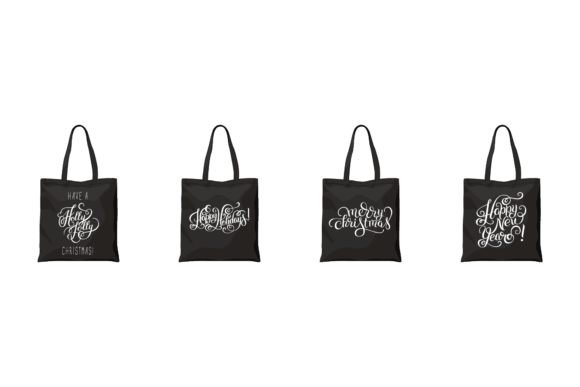
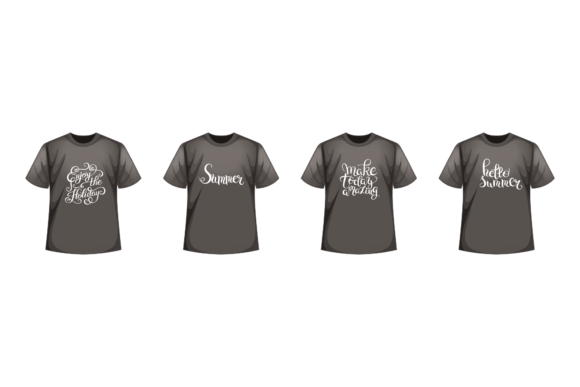
When working on product labels, posters, or flyers, Mockup Clothes provides a clean yet engaging visual layer that enhances the overall composition. It’s particularly effective in t-shirt design, where it can act as a focal point or a subtle pattern. For mugs, tote bags, or stickers, it offers a consistent look that aligns with modern design trends.
In social media graphics, Mockup Clothes can be used as a hero graphic or a background for Instagram posts and Pinterest pins. Its 1920px x 1280px canvas size ensures it scales well across different platforms, maintaining clarity and visual appeal at larger sizes.
Where Mockup Clothes Shines: Large Layouts and Themed Campaigns
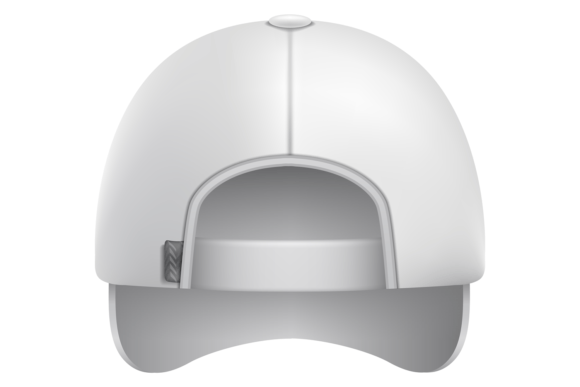
Mockup Clothes excels in large layout areas and themed collections. As a hero graphic, it can draw attention and set the tone for a campaign. In product mockups, it adds a level of realism that helps clients visualize the final output. Its versatility makes it a great choice for editorial design, web design, and even Canva templates.
For print-on-demand sellers, it can be used as a sublimation design or a printable wall art piece. Its vector formats (AI, EPS, SVG) ensure it remains crisp and editable, which is essential for commercial design projects that require customization.
Where to Use It Carefully: Minimalist and Corporate Projects
While Mockup Clothes is visually appealing, it may not be the best fit for minimalist branding or professional corporate materials. In low-contrast designs or crowded layouts, it can become distracting rather than supportive. For projects that require a very clean visual hierarchy, it might need to be paired carefully with other elements to maintain balance.
It’s also important to consider how it interacts with different font styles. Testing it with serif, sans serif, script, or display fonts can reveal how it affects readability and overall composition. In some cases, a simpler background might be more effective for high-impact messaging.
Design Considerations: Readability, Hierarchy, and Brand Consistency
When using Mockup Clothes in a client project, it’s crucial to test its impact on readability and visual hierarchy. Placing it on real mockups or previewing it at different sizes can help determine if it enhances or detracts from the message. For print-on-demand or Etsy product use, checking print quality and PNG transparency is essential to ensure it meets client expectations.
Brand consistency is another key factor. If the design is part of a larger brand system, it should align with existing visual elements without conflicting. Mockup Clothes can help reinforce emotional appeal and audience engagement when used thoughtfully, but it should never overshadow the core message of the project.
Practical Designer Notes: What to Check Before Using It
Before using Mockup Clothes for a client, I recommend testing it in black and white to see how it performs without color. Checking contrast on both light and dark backgrounds ensures it remains visible and legible in different contexts. Previewing it at small and large sizes helps identify any issues with detail or clarity.
Reviewing the file formats is also important. The AI, EPS, and SVG files offer flexibility for editing, while PNG designs may be better suited for quick use in Canva templates or Cricut projects. Confirming the commercial license is a must, especially if the design will be used for an Etsy product or print-on-demand business.
Final Thoughts: A Useful Asset for Creative Projects
Mockup Clothes is a strong graphic design asset that can add visual interest and personality to a wide range of projects. Whether used in packaging design, social media graphics, or printable designs, it has the potential to enhance the overall look and feel of a creative endeavor.
For small business branding, handmade businesses, or local event promotions, it can be a valuable tool in creating a cohesive and engaging visual identity. However, like any design element, it requires thoughtful application to ensure it supports the project’s goals rather than complicates them.
Overall, Mockup Clothes is a solid addition to a design bundle, offering flexibility, quality, and a unique aesthetic that can elevate a project’s presentation and professionalism.