Cushion Mockup White Pillow Mock Up: Graphics & Pillows Amp
As a graphic designer with years of experience in branding, packaging, and digital product design, I always look for high-quality assets that can elevate a client's visual identity. The Cushion Mockup White Pillow Mock Up has caught my attention as a versatile tool that could significantly enhance a range of creative projects. From handmade businesses to print-on-demand sellers, this mockup offers a clean, modern aesthetic that aligns well with current design trends.
First Impressions: A Calm and Professional Visual Mood
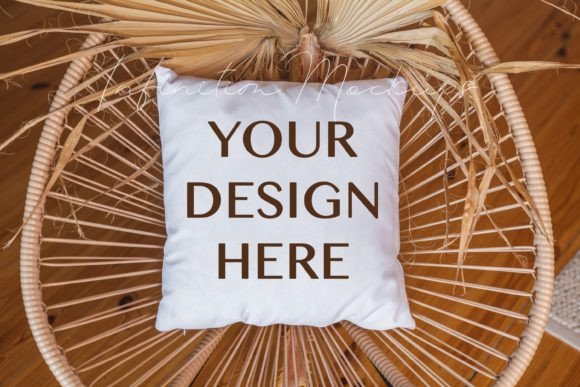
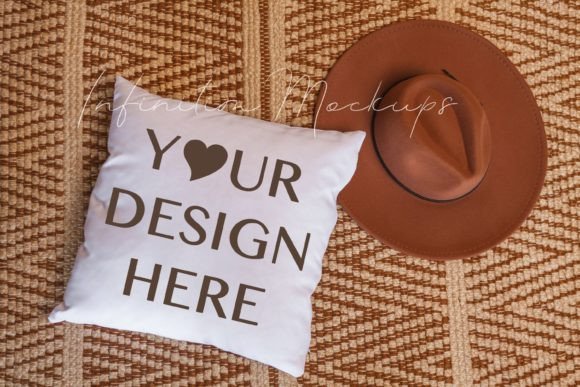
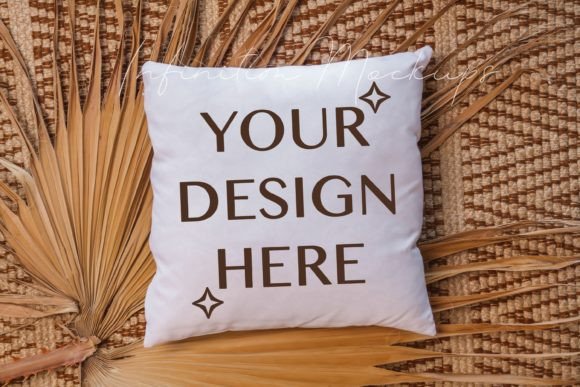
The first thing I noticed about the Cushion Mockup White Pillow Mock Up is its simplicity. The white background creates a neutral canvas that allows any design to stand out without distraction. This makes it ideal for showcasing intricate illustrations, logos, or text-based graphics. The soft texture of the pillow gives a tactile feel, which is especially useful when designing for physical products like t-shirts, mugs, or tote bags.
This mockup feels like a natural fit for a small business looking to launch an Etsy product or a seasonal campaign. It exudes a calm, professional vibe that can be adapted to various styles—whether minimalist, bohemian, or modern. The clean lines and subtle details make it easy to integrate into a broader brand identity without clashing.
Real-World Applications: Where It Shines
In real design situations, the Cushion Mockup White Pillow Mock Up proves to be a valuable asset. For instance, when working on a logo design for a boutique clothing line, this mockup can help visualize how the logo would appear on a product. It’s also great for packaging design, where the focus is on creating a cohesive look across different mediums.
For social media graphics, the mockup can serve as a hero image or a supporting element in a campaign. When paired with a Canva template or a Cricut project, it adds a polished touch that elevates the overall design. In editorial design or web design, the mockup can act as a decorative accent that complements the layout without overwhelming it.
It also works well for printable designs, such as wall art or sticker design. The high-resolution PNG format ensures that the mockup remains crisp and clear at any size, making it suitable for both digital and print use.
Best Use Cases: Large Layouts and Themed Collections
The Cushion Mockup White Pillow Mock Up excels in large layout areas, where it can serve as a focal point or a background element. It’s perfect for product mockups, especially for those selling SVG designs or clipart. Its versatility allows it to be part of a themed collection, whether for a holiday campaign or a seasonal product line.
When used in marketing visuals or commercial design, the mockup helps create a consistent brand presence. It can be incorporated into posters, flyers, or invitations to add a touch of elegance and professionalism. For a handmade business, this asset can provide the visual polish needed to stand out in a competitive creative marketplace.
Where to Use With Caution: Minimalist Branding and Corporate Projects
While the Cushion Mockup White Pillow Mock Up is highly effective in many scenarios, it may not be the best choice for every project. In minimalist branding or corporate materials, where simplicity and clarity are key, the mockup might introduce unnecessary visual noise. Similarly, in low-contrast designs or crowded layouts, it could detract from the intended message.
For projects that require a very clean visual hierarchy, such as professional corporate materials or certain types of digital ads, this mockup may need to be used sparingly. It’s important to test it in different contexts to ensure it supports the overall design goals rather than complicating them.
Impact on Design Quality and Brand Consistency
One of the most significant benefits of the Cushion Mockup White Pillow Mock Up is its ability to enhance readability and visual trust. By providing a realistic representation of how a design would look on a physical product, it helps clients better understand the final outcome. This is especially important in print-on-demand or digital product sales, where the visual presentation can make or break a sale.
From a brand consistency perspective, this mockup can help maintain a cohesive look across different platforms. Whether it’s used in social media posts, packaging design, or website graphics, it reinforces the brand’s visual identity. It also contributes to emotional appeal by creating a sense of quality and care in the final product.
Practical Designer Notes: What to Check Before Use
Before using the Cushion Mockup White Pillow Mock Up for a client project, there are several practical considerations to keep in mind. First, test it in black and white to see how it performs without color. Check contrast on both light and dark backgrounds to ensure it remains visible and legible.
Preview the mockup at different sizes to confirm that it maintains its quality. Place it on real mockups or print samples to get a sense of how it will look in the final product. If the file includes PNG transparency, inspect it carefully to avoid unwanted artifacts. For SVG designs, verify that the vector elements are editable and scalable.
Compare the mockup with different font styles—serif, sans serif, script, and display—to see how it interacts with typography. Lastly, always confirm the commercial license before using it for a client or business project. This ensures that you’re compliant and avoid any legal issues down the line.
Conclusion: A Useful Asset for Creative Professionals
The Cushion Mockup White Pillow Mock Up is a solid addition to any designer’s toolkit. Its clean, modern aesthetic makes it suitable for a wide range of projects, from handmade businesses to print-on-demand ventures. While it may not be ideal for every situation, it offers a reliable way to showcase designs and enhance the visual appeal of a project.
Whether you're working on a t-shirt design, a Canva template, or a digital ad, this mockup can help bring your creative vision to life. As a professional designer, I would definitely consider it for real client work, especially when the goal is to create a polished, engaging visual experience.