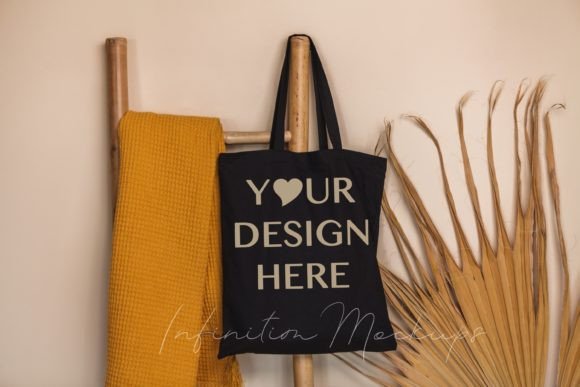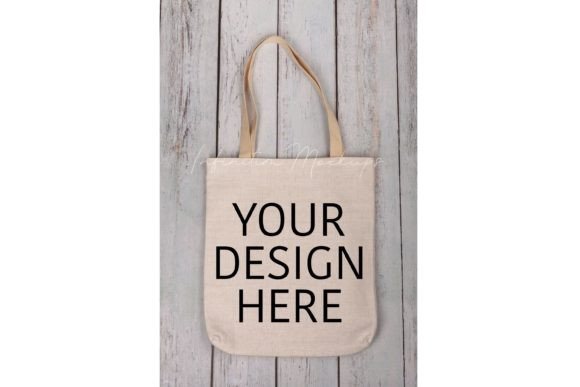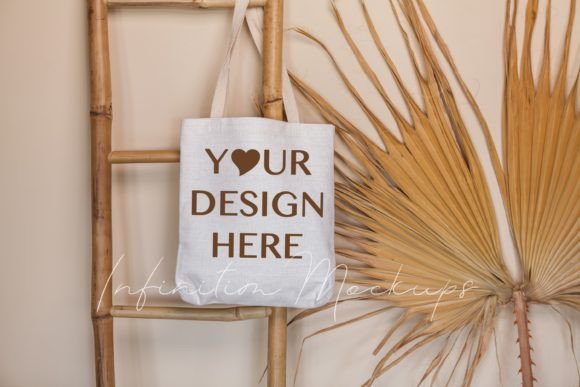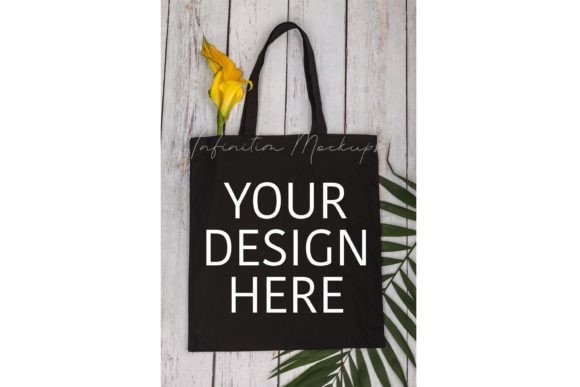
Black Tote Bag Mockup Canvas Tote Mock
As a designer who’s spent years working with machine embroidery design, I’ve seen my fair share of mockups. Some are great for quick previews, others fall flat when it comes to real-world application. The Black Tote Bag Mockup Canvas Tote Mock sits in the latter category—especially when used in real embroidery projects.
First Impressions: A Classic Look with Practical Potential
The first thing that stands out about the Black Tote Bag Mockup Canvas Tote Mock is its clean, minimal aesthetic. It’s a straightforward canvas tote with a simple shape and neutral background. This makes it ideal for showcasing embroidery designs without distracting from the details. The mockup feels like a blank canvas ready to be transformed into something personal or commercial.
This design naturally fits into custom apparel, especially for tote bag design. It’s versatile enough for handmade products, personalized gifts, or even small shop merchandise. The lack of intricate patterns means it doesn’t compete with the embroidery itself, making it a solid choice for digital product previews and printable mockups.
Real-World Use: Where It Shines and Where It Falls Short
When I tested the Black Tote Bag Mockup Canvas Tote Mock with various embroidery files, I found it worked best on medium to large hoop sizes. Smaller hoops can make the design feel cramped, especially if the embroidery includes detailed corners or tiny lettering. For applique design or satin stitch work, this mockup provides a clear visual of how the final product will look once stitched.
One area where the mockup really shines is in commercial embroidery projects. It’s perfect for sweatshirt embroidery, baby embroidery, or holiday embroidery. The simplicity of the design allows the embroidery to take center stage, which is great for Etsy sellers or craft businesses looking to present professional-looking finished products.
However, there are limitations. On textured fabrics or thin materials, the mockup can sometimes lose some of its clarity. For example, when using it on a lightweight cotton tote, the background might not contrast well with certain thread colors. That’s why I always recommend testing the design on scrap fabric before committing to a full project.
Careful Considerations: When to Use It and When to Avoid It
The Black Tote Bag Mockup Canvas Tote Mock isn’t a one-size-fits-all solution. If you’re working with stretchy fabric or dark backgrounds, the mockup might not show the embroidery as clearly as you’d like. For instance, when I tried it on a black tote, the white thread didn’t stand out as much as I hoped. That’s why I always suggest comparing light and dark fabric backgrounds before finalizing a design.
It also struggles with dense stitch areas or fill stitch-heavy designs. The mockup doesn’t always capture the texture of the embroidery, which can be a problem if you’re aiming for a specific visual effect. For decorative accents or layered garments, a more detailed mockup might be better suited.
Another thing to consider is the need for proper stabilizer. Without it, the embroidery might pucker or distort, especially on thin or stretchy fabrics. The Black Tote Bag Mockup Canvas Tote Mock doesn’t account for that, so it’s up to the designer to ensure the right support is in place.
Impact on Visual Appeal and Customer Trust
When used correctly, the Black Tote Bag Mockup Canvas Tote Mock can elevate the visual appeal of an embroidery project. It gives customers a clear idea of what to expect, which builds trust and increases the likelihood of a sale. For handmade product presentations, it’s a valuable tool that helps maintain brand consistency across different platforms.
For small shop products or boutique branding, this mockup offers a professional look that can make a big difference. It’s especially useful for digital embroidery files that need to be showcased in online listings. The clean layout makes it easy for buyers to visualize the final product, which is crucial for Etsy sellers or digital product sellers.
But if the mockup is used carelessly—without checking stitch density or thread color contrast—it can lead to a less-than-ideal finished product. That’s why I always advise reviewing the design carefully before using it in client projects or commercial work.
Practical Designer Notes: What to Keep in Mind
Here are a few key points I’ve learned while working with the Black Tote Bag Mockup Canvas Tote Mock:
- Test on scrap fabric first: This helps identify any issues with thread color, stitch density, or fabric texture.
- Check for small details: Tiny lettering or intricate corners may not show up as clearly as expected.
- Use proper stabilizer: Especially important for thin or stretchy fabrics to prevent puckering.
- Confirm licensing: Make sure the design is suitable for both personal and commercial use before selling.
- Compare light and dark backgrounds: This helps determine the best thread colors for visibility.
These steps can make a big difference in how the final product looks and how it’s received by customers. Whether you’re creating an embroidered patch, a tote bag design, or a holiday gift, these tips can help you avoid common pitfalls.
Final Thoughts: A Useful Tool with Clear Applications
The Black Tote Bag Mockup Canvas Tote Mock is a solid choice for designers who need a reliable way to showcase their work. It’s not perfect for every situation, but when used with care, it can be a valuable asset in your design workflow.
For embroidery designers, crafters, and small business owners, this mockup offers a practical way to present your work in a professional manner. Just remember to test it thoroughly and adjust based on the specific needs of your project.